Environments
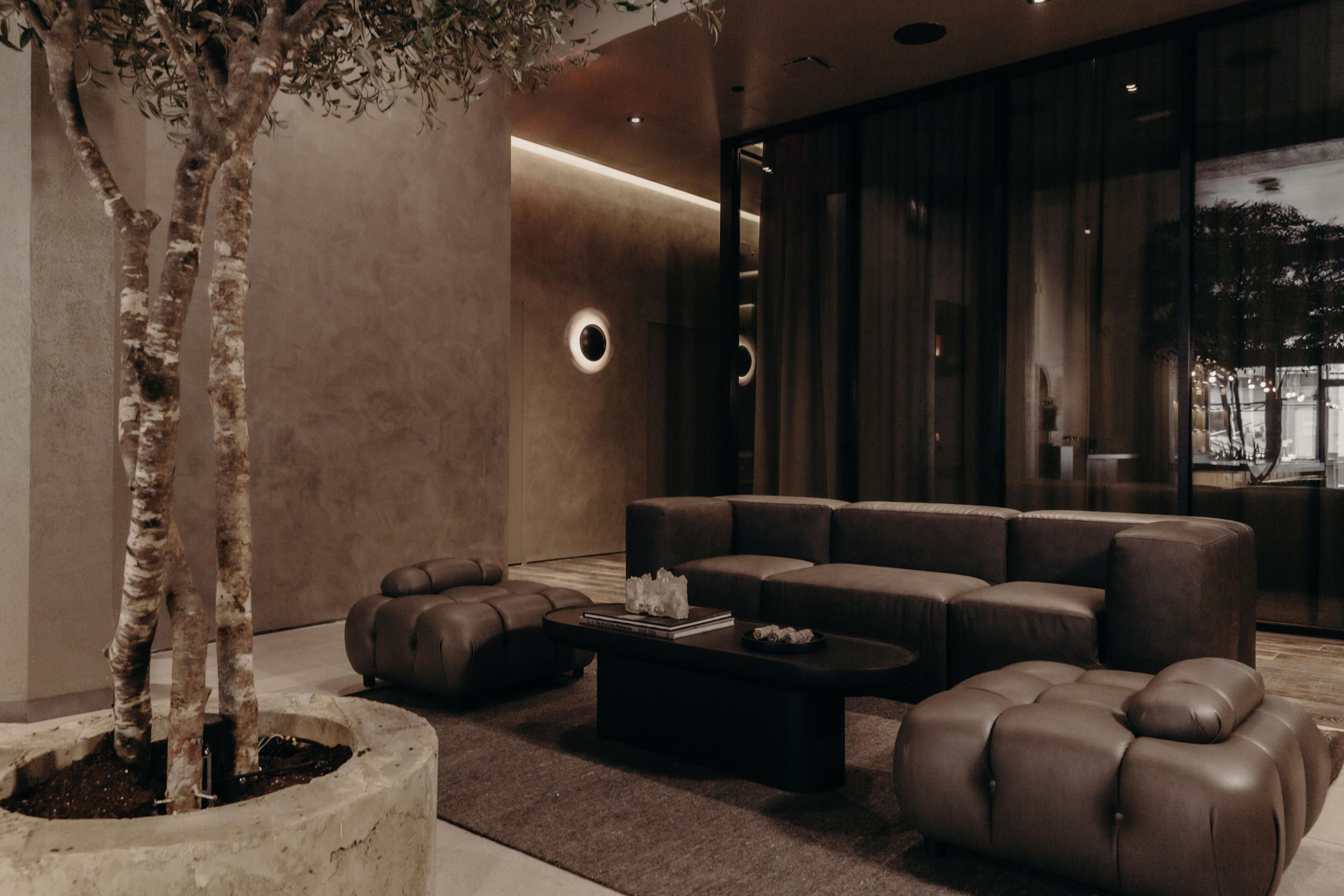
Design can heal. Your space influences your well-being more than you may think. This is something Remedy Place founder Dr. Jonathan Leary discovered in the process of launching his private practice. When he treated patients in the comfort of their own homes, he noticed the rate at which they would recover and heal would increase drastically. This was one of the major inspirations behind Remedy—a space that is designed to heal.Remedy Place’s mission is to help people feel better, and to do that requires more than just the experiences. It requires curating a space that calms you from the moment you walk through the door, so when you’re in an ice bath or preparing for a hyperbaric chamber session, you can get the most out of it.
The transformative power of design can be applied in your own home by bringing in elements that appeal to and calm all of your senses and really create a place of comfort for the body and mind. The Environments pillar explores the ways that you can implement healing-centered design into your life.
The Impact of DesignThe fields of architecture and design are only just beginning to scratch the surface on how design influences our health—but we’re already seeing research back this up. Constructing environments around our well-being can help reduce our fight or flight responses, enhance relaxation, boost creative thinking, and contribute to overall happiness.The power of design really manifests in a couple of ways. We can construct our own spaces for healing (think: inside your home or apartment). Beyond that, we can train ourselves to use environments as tools to bring out the best in us. Environments have the potential to elevate our frequencies and energetically fuel growth and development.Let’s explore how you can design environments that intentionally contribute to your well-being.
Designing Intentional EnvironmentsSurvey your homeThe first step to construct intentional environments is identifying and categorizing the different “zones” in your home. Calculate roughly how much time you spend in each room, and use that to determine the most important areas for your health. Document and learnPut on your researcher cap and write down your findings. Document how each room or “zone” makes you feel, and whether the impact on your health is positive or negative. Prioritize improving the areas where you spend the most time—whether that’s a bedroom, office, or kitchen—because that time correlates with your well-being.
Remedy your sanctuaryThroughout the Environments pillar, you’ll learn methods to test your water for harmful chemicals, select “cleaner” cleaning products, and scent your home naturally. All of these elements address your environment in a holistic way, and help you transform your well-being from the outside in.
Embracing Environmental Well-BeingThe environments that impact us the most are where we spend most of our time. You can fight your surroundings, or you can leverage them as a tool to level up (whether you’re sleeping, working, or socializing). Remember, you’re in control—and by following The Framework, you’re already one step closer to the best version of yourself.In future trainings, we’ll address how to adapt environments to suit your needs outside of the home—and how you can support your body and mind when traveling.